Deer Management
Context
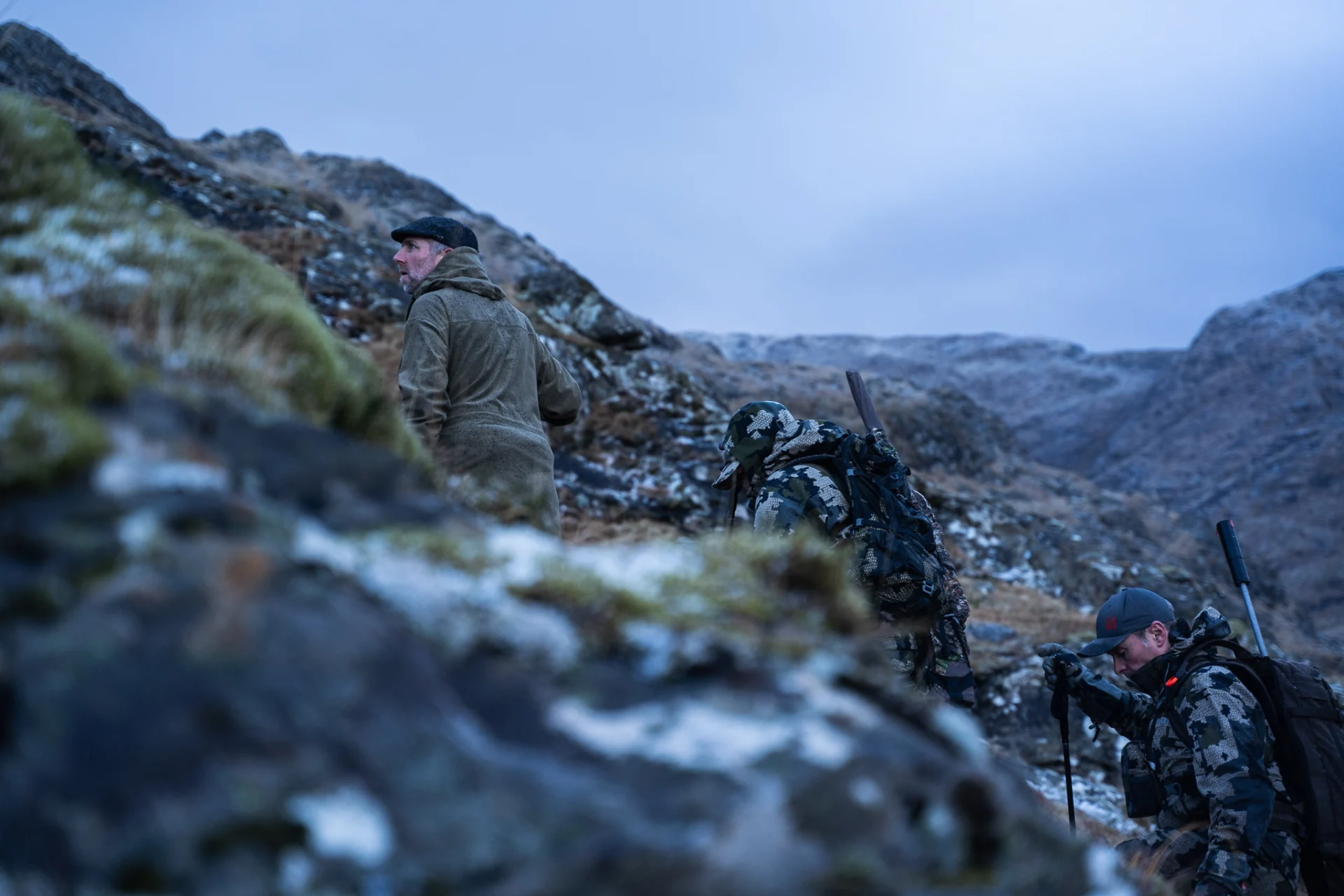
Red and roe deer are native to Scotland and are an integral part of healthy ecosystems. As a resource they can bring positive socio-economic impacts for communities through tourism, venison and stalking. However, where populations are too big, they can also have negative impacts on habitats and other species, as well as on forestry and agricultural interests, through their trampling, grazing and browsing. Because their natural predators have been extinct in the UK for centuries, their numbers must be managed through culling by people. As wild animals deer are not owned, but rather individuals such as landowners, leaseholders and employees, have the right to cull deer but also the responsibility to manage them sustainably. Deer management must be carried out within the scope of all relevant legislation, in line with the Code of Practice on Deer Management | NatureScot and following Wild Deer Best Practice Guidance.
Deer management is now a crucial component of addressing the climate and nature crises in upland Scotland. Changing deer management to restore habitats at scale is recognised as a key part of Scotland’s contribution to mitigating climate change and reversing biodiversity loss. Social and economic elements also need to be considered to ensure that any change encompasses a just transition that will support a healthy and vibrant rural economy through nature-based solutions. The next few years will see changes to legislation brought in by the Scottish Government as it delivers the Scottish Biodiversity Strategy to 2045 – gov.scot and implements the recommendations of The management of wild deer in Scotland: Deer Working Group report – gov.scot. This process has led to the recent passing by parliament of the Natural Environment (Scotland) Act 2026, parts of which will soon be implemented through a new Code of Practice on Deer Management.
Knoydart Wild Deer
Stalking
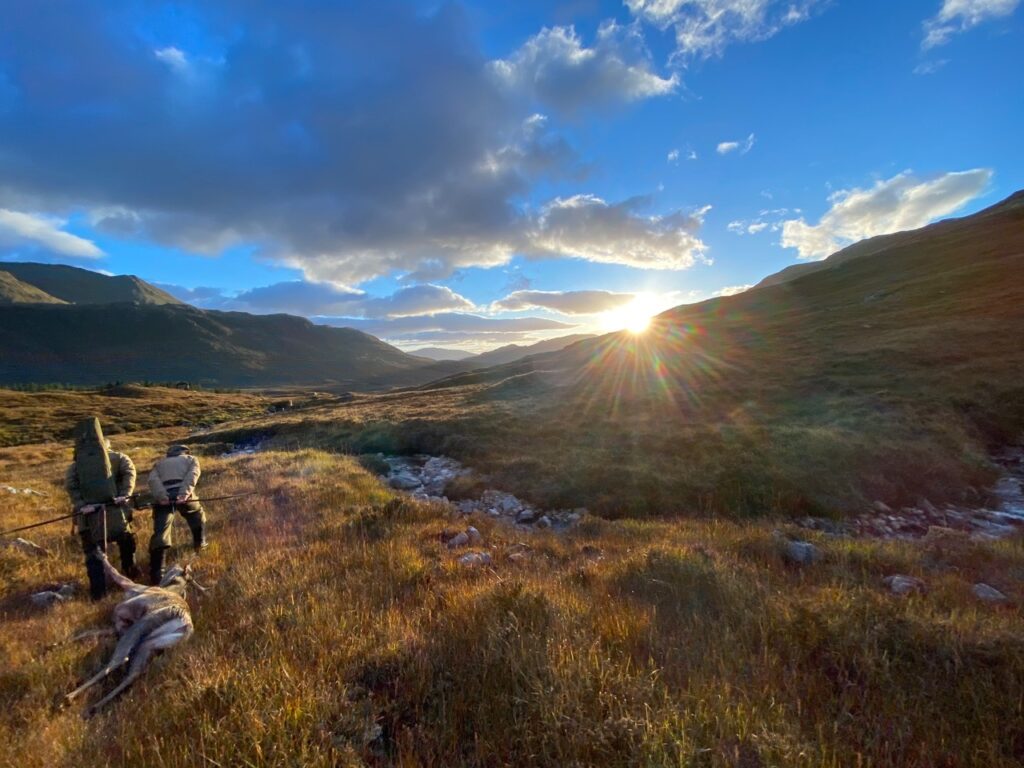
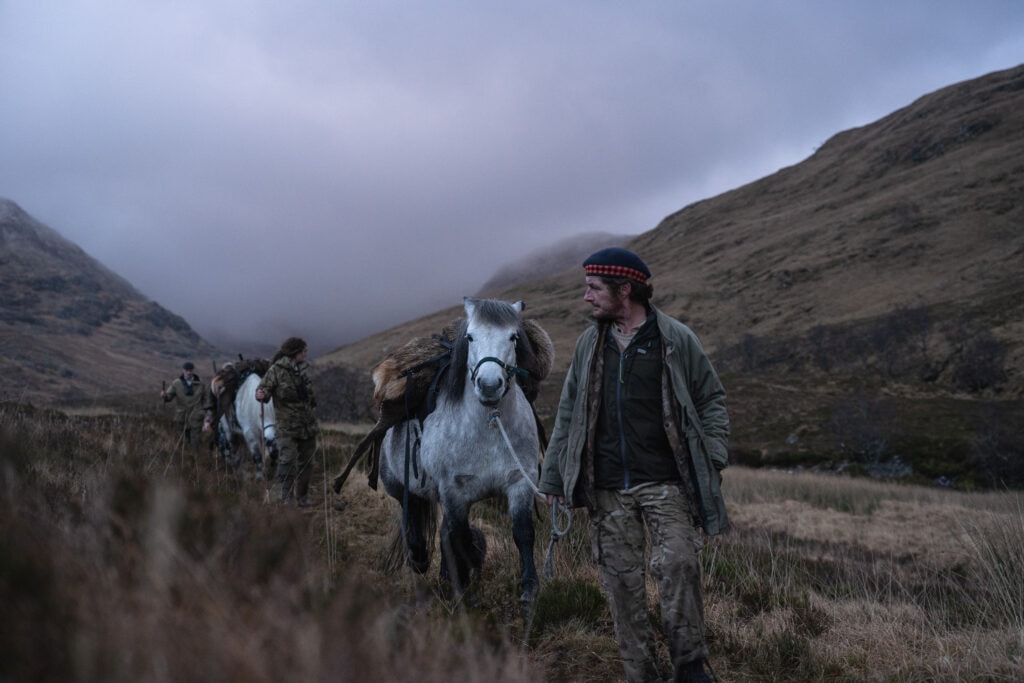
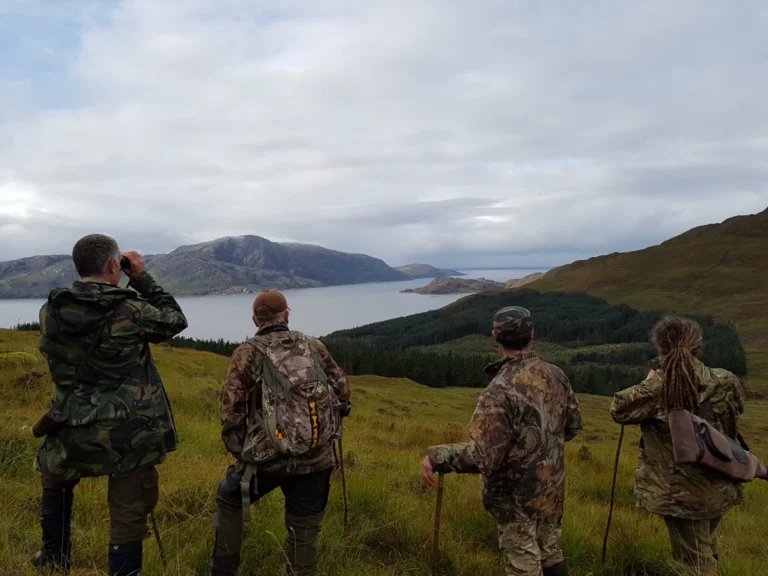
To stalk with us in the remote mountains of Knoydart you must be physically and mentally fit enough to cope with the challenges the rugged terrain and wild weather can present. Long days are spent in the hills, often from dawn till dusk, including steep prolonged climbs over rocky ground, traversing sheer faces on narrow ledges and sinking into peat bogs. We extract the deer carcasses by manual dragging off the hill to ponies, boat or roadside and you will be expected to assist the stalkers.
See all our experiences below
Stag Stalking; August to October
£750 + VAT per party per day, includes trophy cleaning and use of an estate rifle if wanted.…
Book Activity →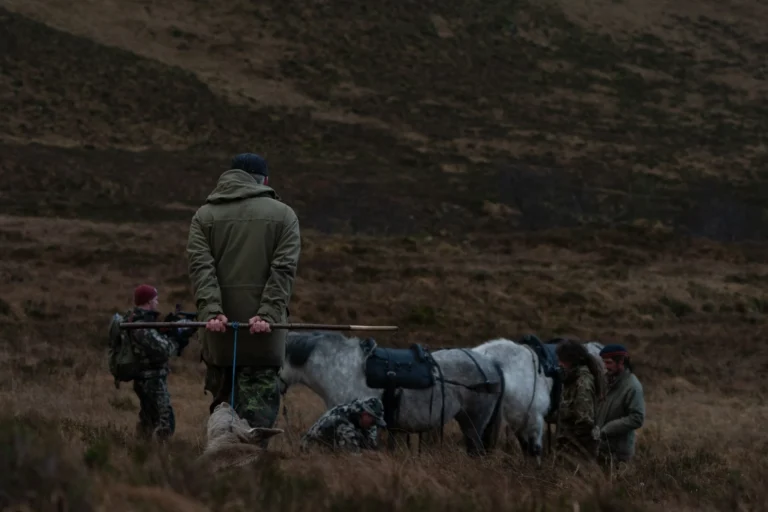
Hind Stalking; November to February
£500 + VAT per party per day, including use of estate rifle if wanted. Normally limited to 1…
Book Activity →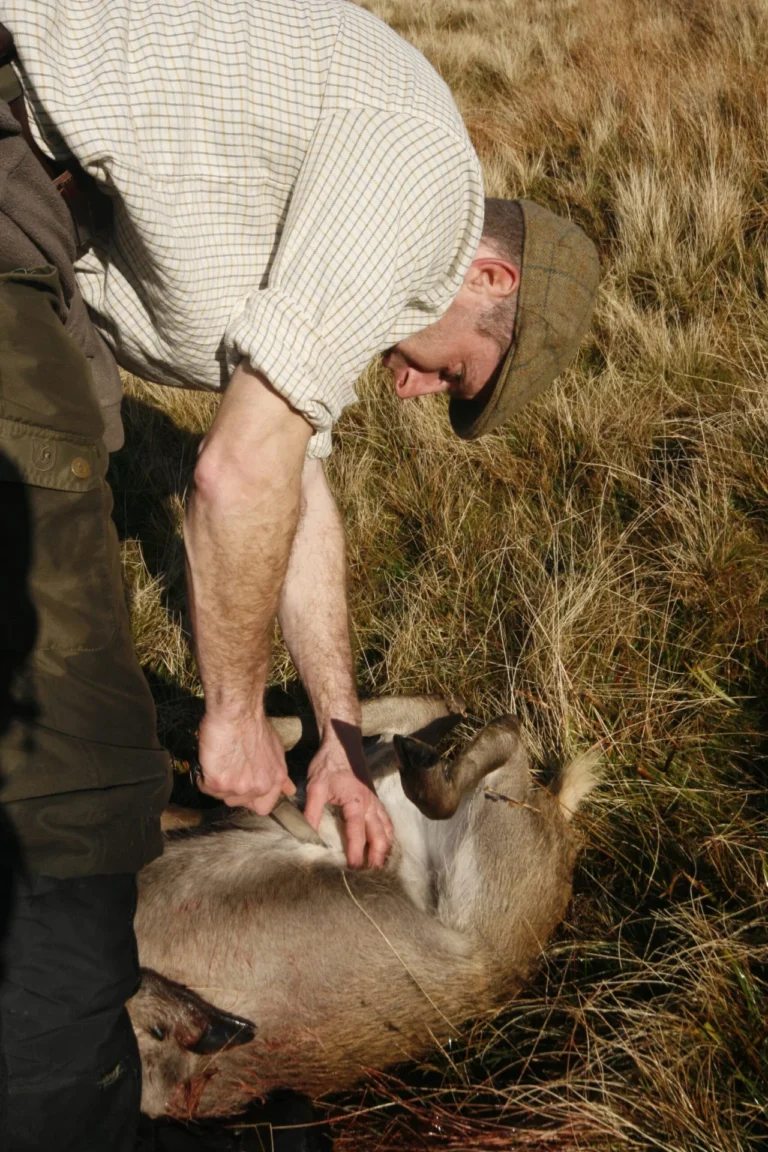
Butchery Experience and Training Supplement
£100.00 + VAT. Harvest venison from the deer that you have stalked, with training from the skilled KF…
Book Activity →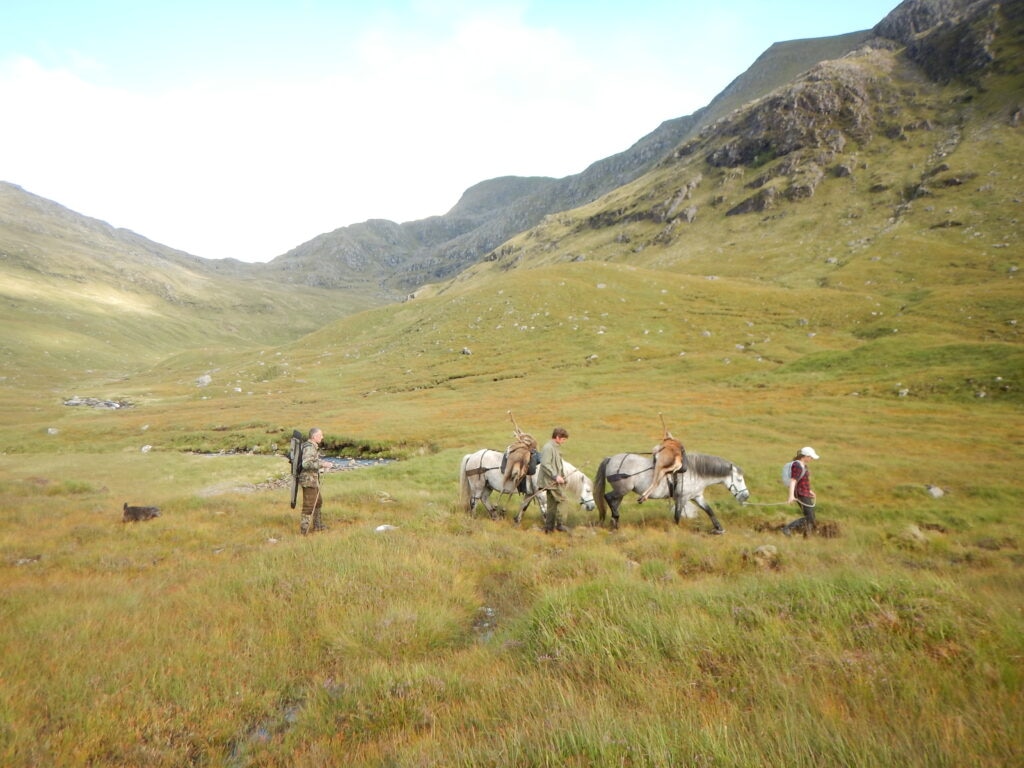
Volunteer
with us
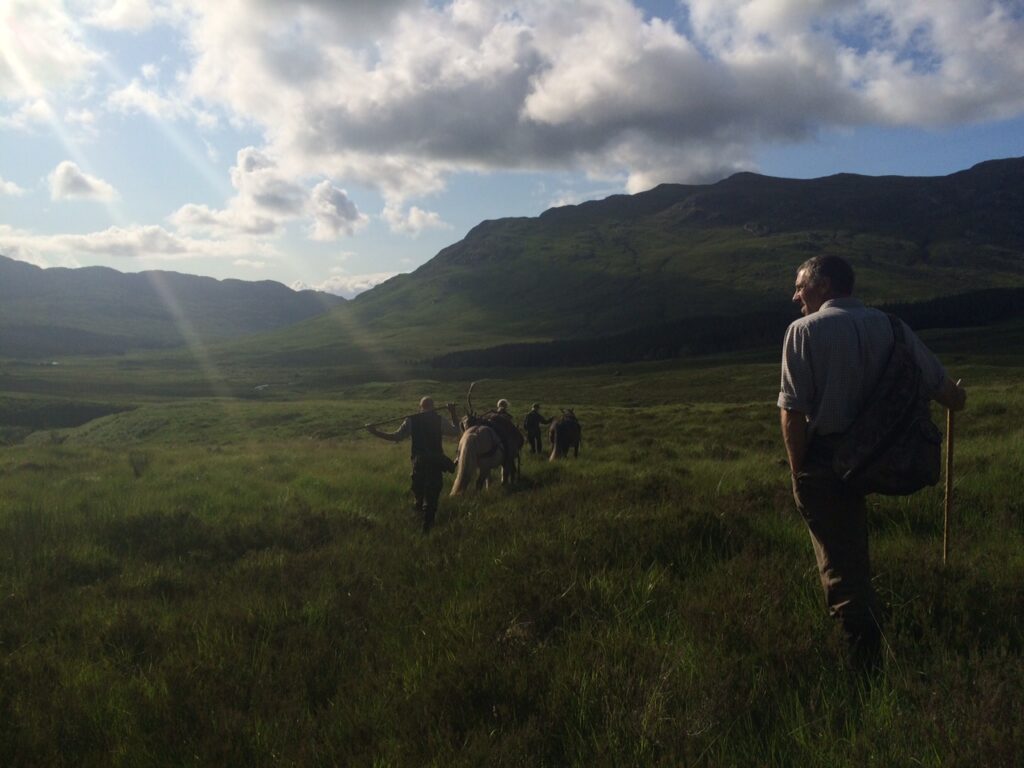
We are always on the lookout for fit & enthusiastic folk who are keen to gain deer management experience and contribute some hard graft to our land & community.
West Knoydart Deer Management
Group
Deer management groups are organisations which bring together landowners and other stakeholders to work collaboratively across geographically distinct areas of upland Scotland. The system is voluntary but provides a useful framework to connect deer managers and government agencies. It is the individual members who must manage the land and deer in line with legislation and the ‘Code of Practice on Deer Management’.
KF is a founding member of the WKDMG and plays an active role in the group which holds 2 meetings per year and works to cultivate an environment of mutual respect for all land management objectives between members and neighbours. The Group promotes the effective management of deer across the Knoydart peninsula and encourages positive cooperation between landowners and other stakeholders. The Group maintains a Deer Management Plan which takes account of members’ diverse objectives and guides cull planning.