Our Land Management
Aims
In 2025 a new land management plan was developed through consultation with the community and partner organisations. It has three inter-connected aims:
1. Consolidate the significant land management achievements and gains since the 1999 community buyout.
2. Expand on these, including a new approach for deer management, underpinned by a sustainable financial model.
3. Continue and increase the community’s involvement in the discussion and decision making around future opportunities.
800,000
Trees Planted
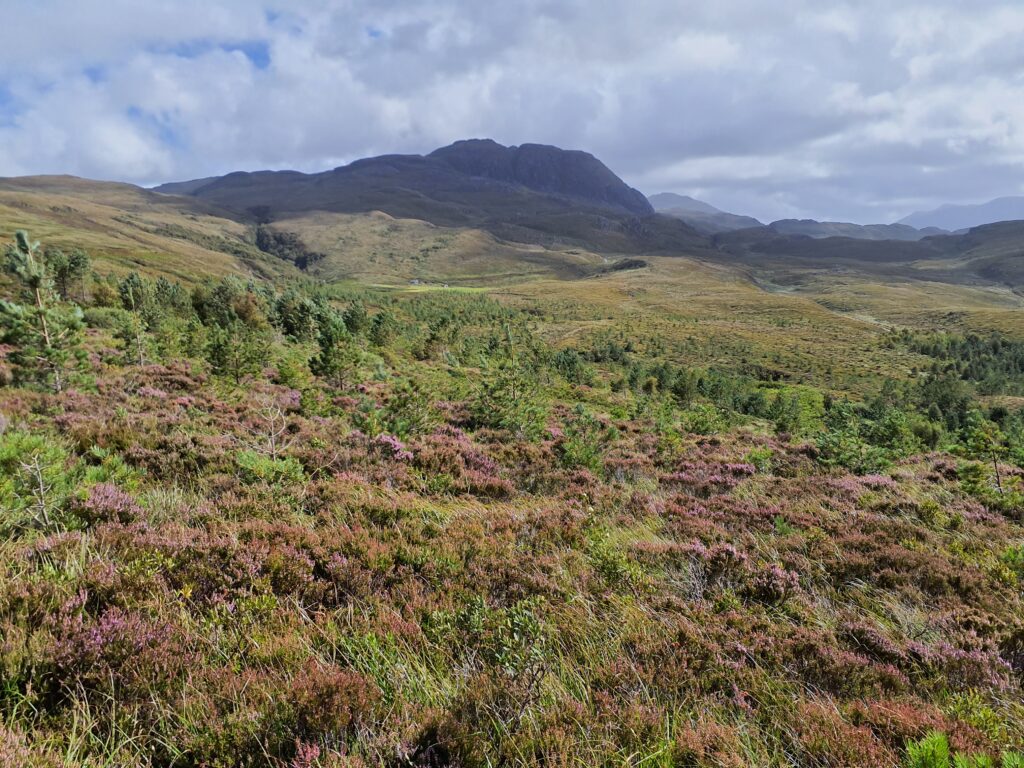
Working in partnership with the Knoydart Forest Trust around 900 hectares of new woodlands have been established on community owned land, through planting and natural regeneration.
1.5 million
Natural Seedlings
Based on existing seedling densities there is huge potential for native trees and shrubs to establish naturally, maybe expanding tree cover by around 1700 hectares.
445
Red Deer Population
The open range deer population is counted annually in collaboration with neighbours. In 2026 the density is 6 per 100 hectares which has been reduced progressively from about 20 in 1996, improving herd health and reducing winter mortalities.
2725
Hectares of community land protected by deer fencing
To enable new woodland establishment and habitat regeneration it has been necessary to use fencing to manage deer impacts.
Our Land Management Objectives
Context
Our first updated land management plan since 2007 seeks to build on the community’s significant progress to date. It is shaped by global, national and local influences including climate change, biodiversity loss & social sustainability. The plan’s five objectives have been developed through discussion and consultation within our community and within the context above.
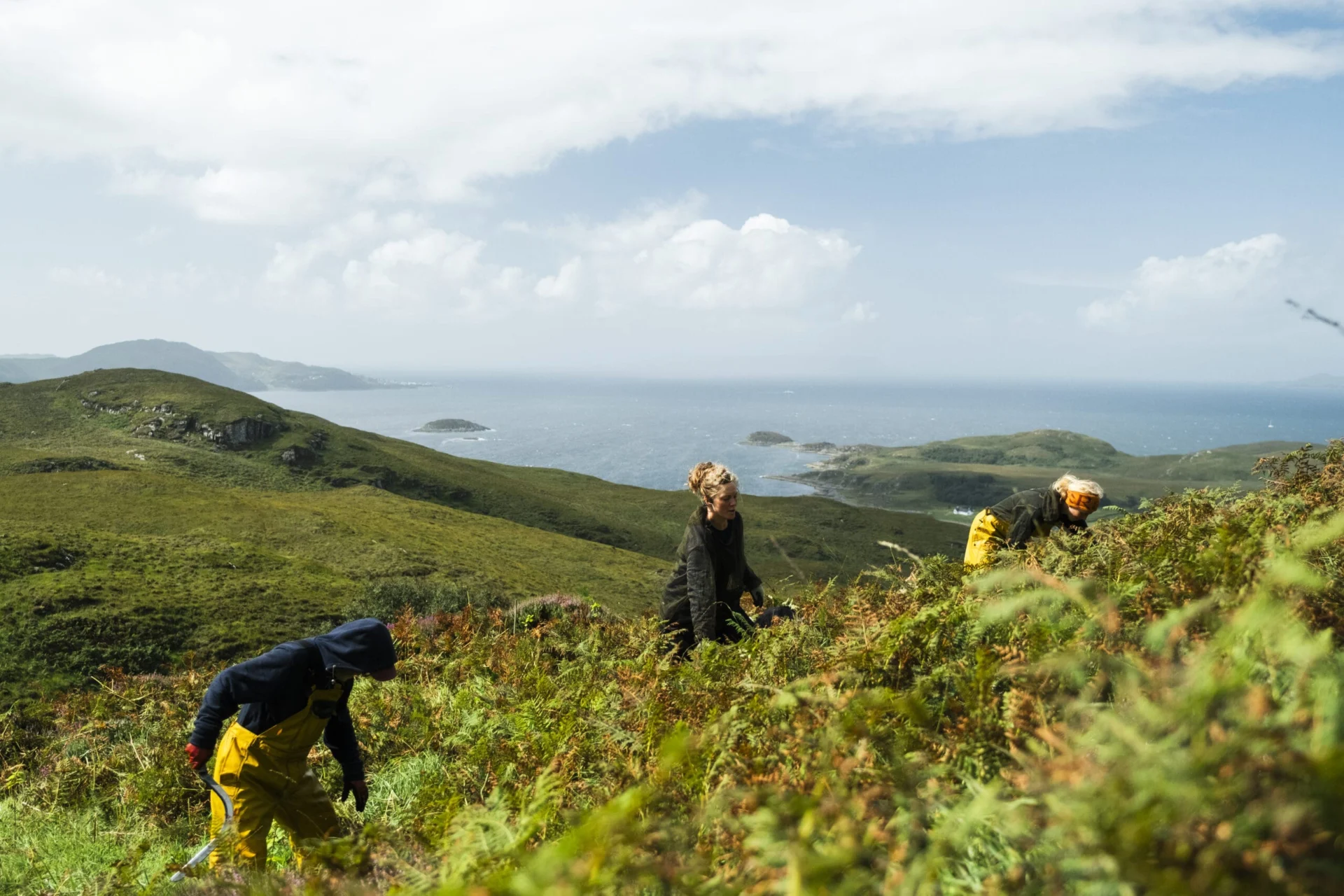
Long term local employment on the land has enabled a valuable resource of skills, experience, knowledge and connection to the land which is integral to the successful work on the land. Building on this is key to future delivery. The land and its management provide fuel, food and materials and supports the development of land-based enterprises, strengthening the local circular economy and connection between land and people.
Objectives
- Regenerate habitats, supporting healthy ecosystem function and associated biodiversity
- Increase and secure the land’s sequestration of carbon
- Help drive community regeneration and resilience
- Develop economic models that will sustain community driven habitat regeneration
- Strengthen the connection between people and land
Land management work has so far been funded through a combination of public grants, deer stalking clients, and KF & KFT income generation activities. The current deer management finance model is not sustainable and other sources face pressure, so it is essential that a new funding model is developed in order to maximise delivery of our ambitious objectives.
Deer Stalking
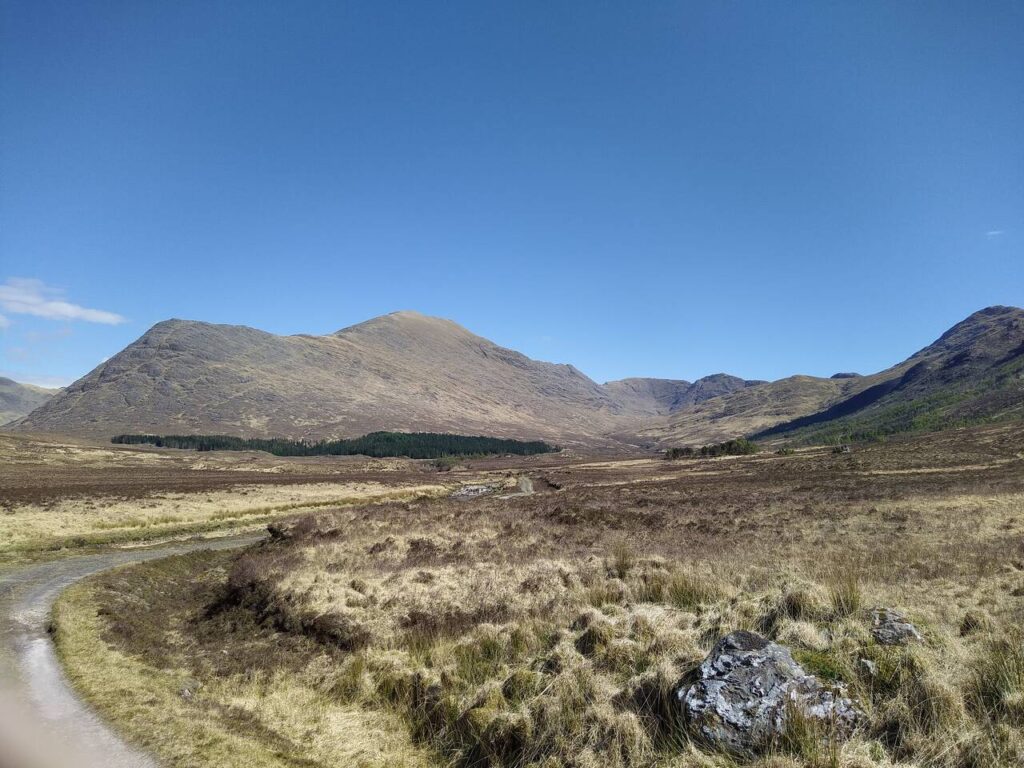
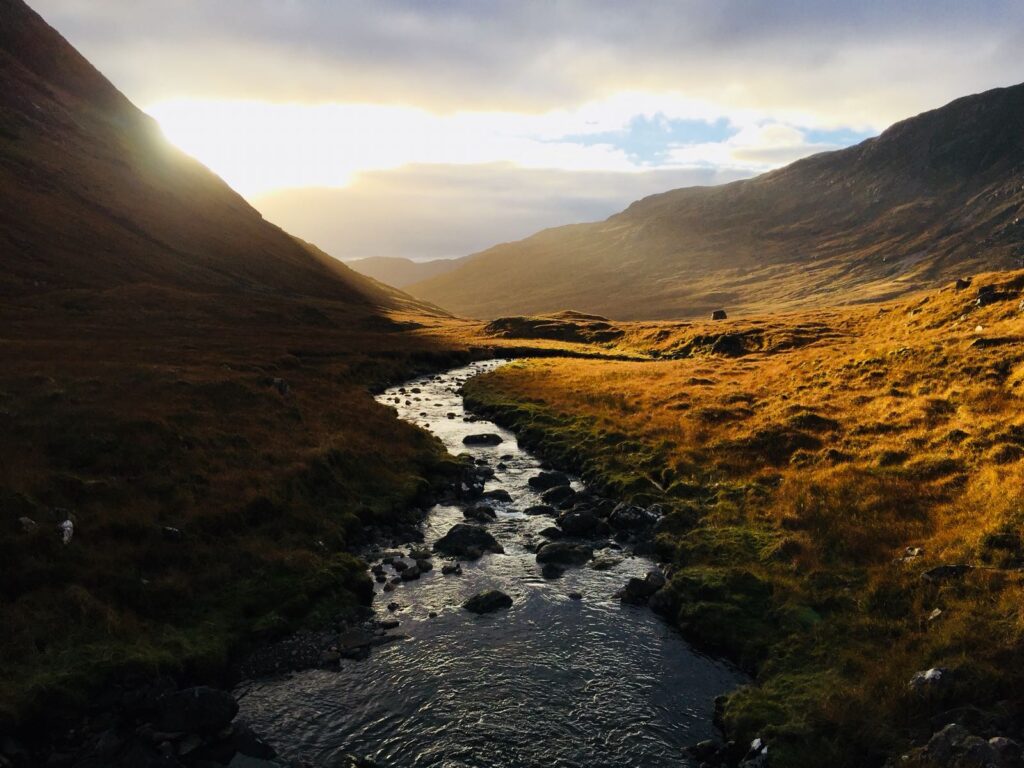
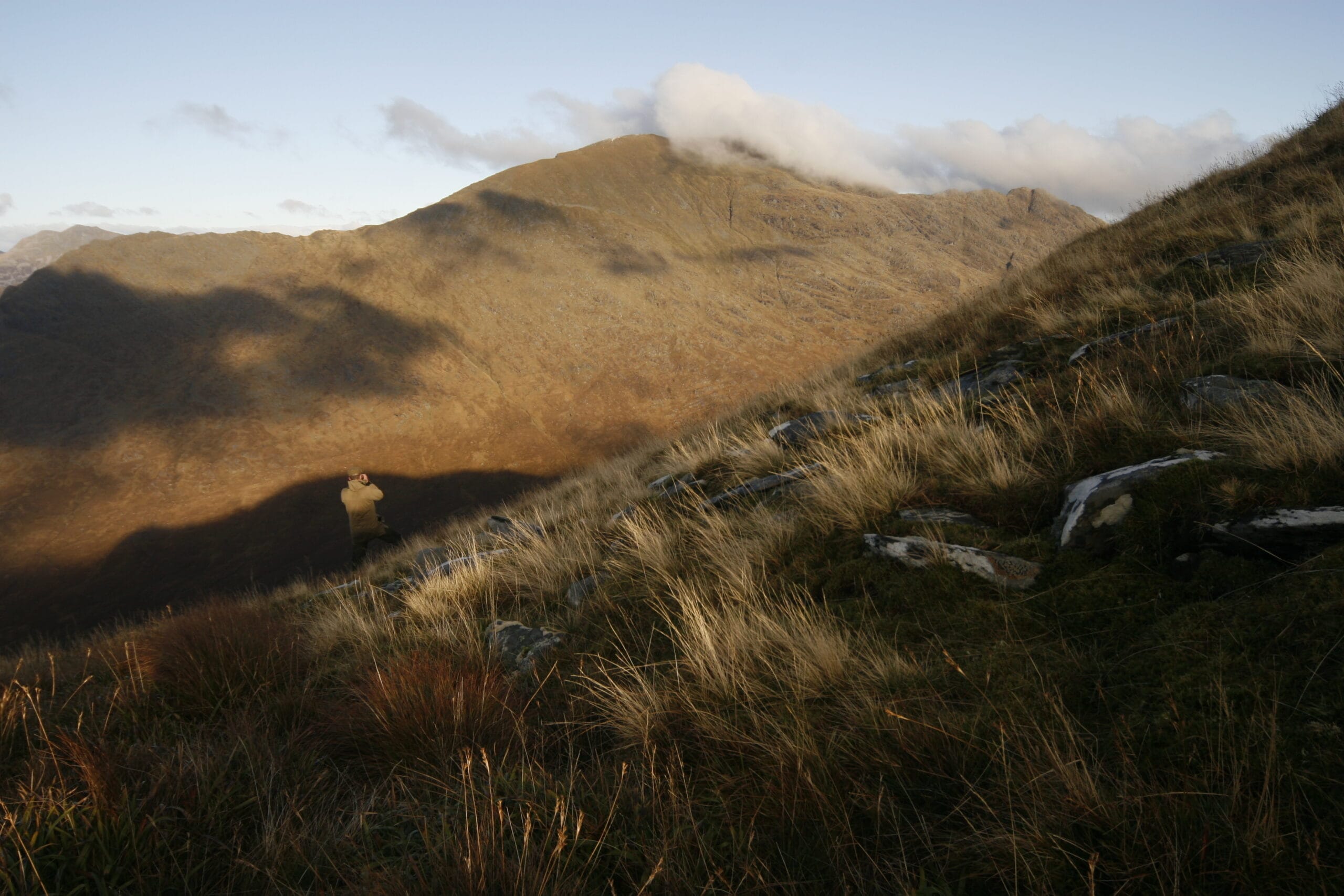
Whether you already enjoy deer stalking or are trying a new experience, you’re going to love it on Knoydart. Joining our deer managers to stalk the wild red deer takes you into some of the most challenging terrain in Scotland.
By stalking with the Knoydart Foundation you are helping us with our management of the open range red deer herd, promoting habitat protection and recovery. You will also be helping to extract the carcasses which provide a healthy and sustainable local food source.